My Everyday Efforts to Live Sustainably 🌿
- Mar 31, 2025
- 4 min read
Updated: Apr 11, 2025
The reality is undeniable: we live in a world that is rapidly warming, and we are also depleting its resources —affecting not only us but also the countless other species that share this planet. As an animal lover, a scientist, and a human being, I feel a deep responsibility to care for our world. We must urgently work to correct past mistakes and mitigate the damage we have inflicted.
Sustainability looks different for everyone, and I try to incorporate it into both my daily habits and my career. I always seek to align my research with climate science or sustainable solutions. I firmly believe that small, mindful actions add up, benefiting not only ourselves but also the environment and the animals that we share the Earth with. By sharing my sustainable habits, I hope to inspire even one reader to adopt a new practice, provide insights, or spark constructive discussions.
My Sustainable Habits
Connecting with Nature

Spending time in nature is one of the most powerful ways to strengthen my commitment to sustainability. I frequently go hiking, have picnics, and take long walks outdoors, allowing me to immerse myself in it. Experiencing nature firsthand—observing the trees, wildlife, and landscapes—reminds me of the beauty we must protect. It deepens my appreciation for the planet and reinforces my desire to
take care of both the environment and the animals that inhabit it.
Conscious Consumption
Before making a purchase, I research the sustainability index of clothing brands on platforms dedicated to ethical fashion. If I find that an item isn’t environmentally friendly, I consider alternatives. Even when I have no choice but to buy a less sustainable product, I take extra care to make it last and eventually recycle or resell it. This principle extends to cosmetics, food, and other consumer goods.
Staying Informed
I read extensively on sustainability, energy trends, and climate change mitigation efforts. Misinformation can mislead us into feeling powerless, so I prioritize credible sources. I also use an e-reader to minimize paper waste. Since I read one to two books per week, this significantly reduces resource consumption (not only paper, but everything that is associated with the supply chain involved). The few physical books I do buy hold special meaning, and I either resell or gift them after reading.
Quality Over Quantity
I prefer investing in durable, high-quality items rather than buying cheap, disposable ones. While this often means a higher upfront cost, it saves money in the long run and reduces waste. Many people consume mindlessly without considering the consequences—I believe that simply being aware makes a difference.
Embracing Minimalism
While I wouldn’t call myself a strict minimalist, I avoid impulse purchases and keep only what I truly need. This practice helps me maintain a clutter-free space, ensuring I use what I own and avoid unnecessary consumption.
Choosing Renewable Energy
Where possible, I opt for an electricity provider that sources energy from renewables. I also reduce energy waste by unplugging appliances when not in use—except essentials like my fridge and WiFi router (although I do unplug the WiFi when I travel). Small changes like lowering my fridge’s power setting while away or limiting my espresso machine’s use to just 10 minutes a day help conserve energy. This can also save up to 10% of the electricity bill!
Meal Planning to Reduce Food Waste
Each Monday, my husband and I plan our meals for the week before grocery shopping. This approach:
🌱 Ensures we use everything we buy.
🌱 Reduces spontaneous (and often unnecessary) purchases.
🌱 Encourages creativity with leftovers.
🌱 Saves money and promotes healthier eating.
🌱 Helps avoid impulse junk food purchases (never shop while hungry!).
Avoiding Plastic Whenever Possible
I carry a reusable metal water bottle and tote bag at all times. At the supermarket, I never use plastic bags for produce, even biodegradable ones. When given a choice, I buy plastic-free produce, even if it costs slightly more—considering the health risks of microplastics, this feels like an investment in well-being.
Making My Own Kefir Instead of Buying Sodas
This decision is beneficial for multiple reasons:
🌱 Kefir is a natural probiotic with less sugar than sodas.
🌱 I avoid supporting large soda corporations, which are among the world's biggest polluters and water consumers.
🌱 I reduce plastic waste from store-bought beverages.
🌱 On rare occasions when I crave soda, I choose products from smaller, local brands.
Supporting Local Businesses
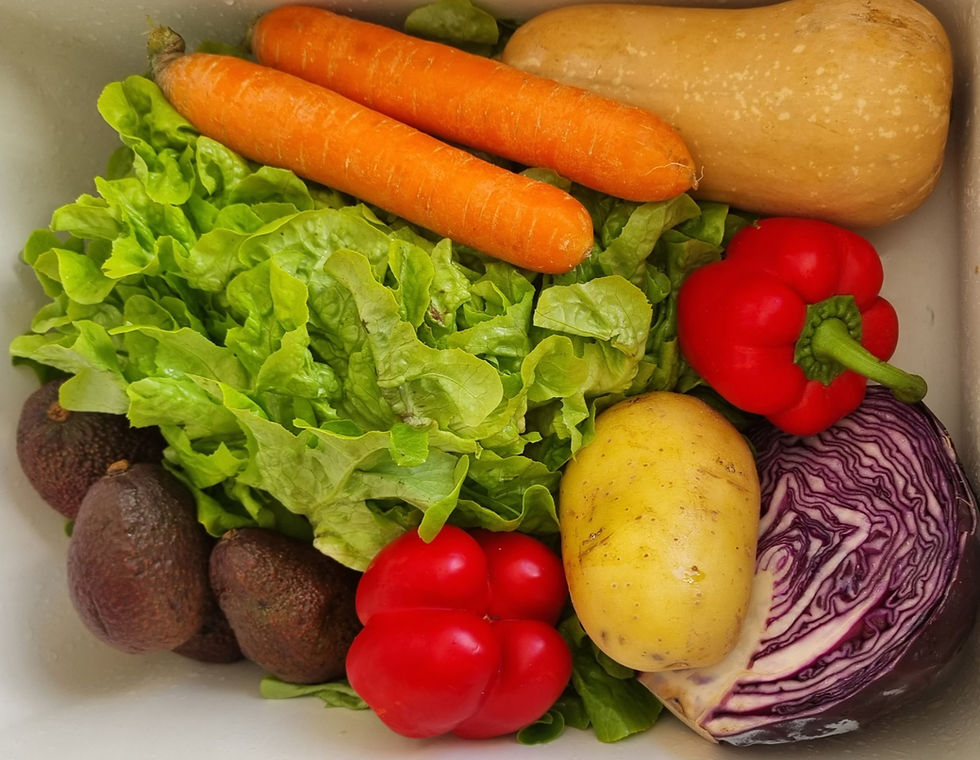
While living in France, I regularly shopped at farmer’s markets, which offered fresh, affordable produce. Buying from local vendors supports small businesses, reduces carbon footprints from transportation, and often saves money.
Reducing my meat consumption (and other high emission foods as well)
Back in 2020 I started reading more about sustainability, global warming and the highest-emitting sectors. Livestock (especially cow meat) is a high emitting sector, and this led me to reduce my meat consumption. This was not easy, being Argentinian - our whole culture revolves around asados. I reduced my consumption so much, that after a few months I realized that I had become fully vegetarian and I haven't eaten any kind of meat since then.
Chocolate is also a high-emission industry (as much as it pains me to say it). As a big chocolate fan, I haven't been able to completely eliminate chocolate from my diet, but I am more mindful of my consumption. I either buy less than I would like to buy (I have a sweet tooth), or try to buy from local producers whenever possible.
Leading by Example
I don’t preach sustainability, but I do share my thoughts when the conversation allows. My goal is to plant a seed of awareness in others rather than push them toward specific actions. I believe actions speak louder than words, so I try to live in a way that naturally encourages curiosity and reflection in those around me.
Future Goals
Sustainability is an ongoing journey. Some of my future aspirations include:
🌱 Setting up a home composting system.
🌱 Growing my own vegetables to reduce reliance on store-bought produce.
🌱 Installing solar panels to transition to renewable energy at home.
🌱 Buying more clothes from 100% sustainable/eco-friendly brands
I am far from perfect, and I recognize that there is always room for improvement. However, I firmly believe that every effort, no matter how small, contributes to a more sustainable world 🌎.



Comments